
HOW TO BECOME A DISPUTE RESOLUTION PRACTITIONER
YOUR PATHWAY INTO DISPUTE RESOLUTION PRACTICE
Alternative dispute resolution offers a practical, people-focused alternative to traditional litigation. With more disputes being resolved before trial, practitioners with dispute resolution expertise play a critical role in helping parties reach timely, cost-effective and sustainable outcomes.
Dispute resolution encompasses a range of processes outside the courtroom, including mediation, family dispute resolution and collaborative practice. These approaches empower parties to resolve conflict within a legal framework, often preserving relationships and reducing the emotional and financial toll of litigation.
At the College of Law, you can build the skills, confidence and professional credibility required to guide clients through dispute resolution processes with postgraduate study.

At-a-glance: How to Become a Dispute Resolution Practitioner
This page covers:
- What does a dispute resolution practitioner do day to day?
- What personal strengths suit dispute resolution work?
- Is dispute resolution a good area to specialise in?
- How stressful is dispute resolution compared to other areas?
- Pros and cons of a career in dispute resolution
- How postgraduate study can boost your earning potential
- How do I become a dispute resolution practitioner?
WHAT DOES A DISPUTE RESOLUTION PRACTITIONER DO DAY-TO-DAY?
Alternative dispute resolution practitioners assist parties to resolve conflict outside formal court proceedings. Rather than determining outcomes, they manage and guide the process, supporting parties to negotiate and reach their own agreements.
Typical work includes:
- Preparing parties for mediation or dispute resolution processes
- Facilitating structured discussions and negotiations
- Managing emotions, power imbalances and complex dynamics
- Helping parties identify interests, options and workable solutions
- Drafting agreements or outcomes where appropriate
- Ensuring ethical, impartial and confidential processes
Alternative dispute resolution requires a different mindset to adversarial practice. Practitioners must remain neutral, adaptable and focused on process rather than outcome.

IS DISPUTE RESOLUTION A GOOD AREA TO SPECIALISE IN?
Yes. Dispute resolution continues to grow as courts, governments and organisations encourage early resolution of disputes.
Mediation is now mandated in many jurisdictions, including the Federal Court, Federal Circuit and Family Court of Australia. This has created strong demand for practitioners who can resolve disputes efficiently while reducing cost and conflict.
Dispute resolution also offers flexibility. It can complement an existing legal career or become a standalone professional pathway in areas such as family, workplace, commercial or community disputes.
HOW STRESSFUL IS DISPUTE RESOLUTION COMPARED TO OTHER AREAS?
Alternative dispute resolution can be emotionally demanding, as practitioners work closely with people experiencing conflict. However, many find it less adversarial and more rewarding than litigation.
Unlike court proceedings, alternative dispute resolution focuses on collaboration, communication and future-focused outcomes. Practitioners often report higher job satisfaction from helping parties resolve disputes with dignity and reduced conflict.
I commenced the course with the mindset that I want to help families and offer them the quality dispute resolution services they deserve.
Dr Hadeel Al-Alosi, FDRP Graduate

Each of us brings something from our own experience, knowledge and wisdom about family law, mediation and dispute resolution, so we are always able to share and learn.
Josephine Byrnes-Luna, FDRP Graduate

Family law can be very litigious, but it doesn't have to be. So my practice in learning more about dispute resolution areas and how to manage dispute pollution and conflict resolution was valuable.
Emma Youdale, LLM Alumni Graduate
WHAT ARE THE PROS AND CONS OF A CAREER IN DISPUTE RESOLUTION?
Dispute resolution offers a meaningful and increasingly recognised career path, particularly for those seeking alternatives to adversarial practice.
| Pros | Cons |
|---|---|
| Growing demand across courts and industries | Emotionally complex matters |
| Collaborative, people-focused work | Requires strong emotional resilience |
| Flexible career pathways | Outcomes are party-driven, not practitioner-controlled |
| Opportunity to reduce conflict and cost | Requires high ethical and professional standards |
HOW POSTGRADUATE STUDY CAN INCREASE YOUR EARNING POTENTIAL
Postgraduate study can strengthen both your capability and long-term career trajectory in dispute resolution.
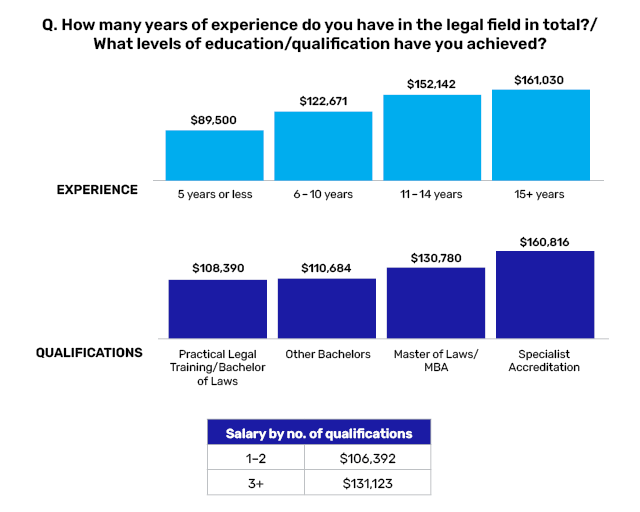
According to the College of Law Legal Salary Survey 2025, lawyers with postgraduate qualifications report average salaries above $130,000 per year, around $20,000 more than those with only an undergraduate qualification.
As demand grows for practitioners who can resolve disputes efficiently and strategically, professional training helps you move into higher-value across legal, commercial and regulatory settings.
MEDIATION IS ONE OF THE MOST WIDELY USED AND EFFECTIVE FORMS OF ADR
Our article, What are the essential traits that make a good mediator?, explores how effective mediators rely less on being problem-solvers and more on skills such as listening, reframing and questioning to help parties collaborate toward resolution.
HOW DO I BECOME A DISPUTE RESOLUTION PRACTITIONER?
A career in dispute resolution can take many forms. Your pathway will depend on your background and the type of disputes you want to work with.
Your typical pathway includes:
- Completing a Bachelor of Laws (LLB) or Juris Doctor (JD), or another relevant qualification depending on your professional background.
- Completing Practical Legal Training (PLT) and gaining exposure to civil procedure, negotiation or dispute-related practice.
- Admission through your state’s legal profession admission board (for lawyers).
- Building practical experience in dispute-related roles, such as advisory, litigation support, negotiation or mediation contexts.
- Continuing to build expertise through postgraduate study and relevant professional development.
The College of Law offers several postgraduate options for lawyers and professionals looking to specialise in dispute resolution.
The Master of Laws (Applied Law) majoring in Dispute Resolution develops advanced skills in negotiation, mediation, advocacy and ethical dispute management. It is designed for practitioners who want to work across complex disputes in legal, commercial and regulatory settings.
Dispute resolution skills can also be developed through related specialist pathways, depending on your career focus:
- Family Dispute Resolution Practice (FDRP) for practitioners working in family law, parenting and relationship disputes.
- International Arbitration for those resolving commercial and cross-border disputes in an international context.
All programs are taught by experienced practitioners who understand the practical realities of managing conflict, facilitating resolution and delivering effective outcomes across a wide range of dispute resolution environments.
ADVANCING YOUR CAREER WITH THE COLLEGE OF LAW
Dispute resolution practitioners play a vital role in helping clients navigate conflict with clarity, empathy and professionalism.
The College of Law’s postgraduate programs strengthen your ability to facilitate negotiations, manage complex dynamics and deliver sustainable outcomes across mediation, family dispute resolution, arbitration and commercial contexts.
Build practical skills, professional confidence and credibility in one of the legal profession’s most rewarding and future-focused practice areas.
FREQUENTLY ASKED QUESTIONS
Yes. Dispute resolution is a growing and highly valued area of practice in Australia, driven by court mandates, cost pressures and a strong preference for early, non-adversarial outcomes.
Lawyers with dispute resolution expertise are increasingly sought after to help clients manage conflict efficiently, preserve relationships and reduce the risks of litigation.
Many practitioners integrate dispute resolution into commercial, regulatory or advisory roles to broaden their career opportunities.
Explore postgraduate study in Dispute Resolution.
The Master of Laws (Applied Law) majoring in Dispute Resolution includes subjects that develop advanced skills in areas such as:
- Foundations of Dispute Resolution
- Negotiation
- Advocacy
- Mediation
Each subject is practical and skills-focused, helping you build confidence in facilitating resolution across complex legal and commercial disputes.
Absolutely. Dispute resolution naturally complements a wide range of legal practice areas, including Family Law, Arbitration and Family Dispute Resolution.
Many lawyers apply dispute resolution skills alongside litigation work to help clients resolve disputes earlier, manage risk and achieve more sustainable outcomes. These overlaps allow you to deliver more strategic, client-centred solutions across complex matters.
Mediation and Family Dispute Resolution are two key pathways within dispute resolution, but they serve different purposes.
Mediation is used across a wide range of disputes, including commercial, workplace, civil and community matters. A mediator facilitates communication and negotiation between parties, helping them reach their own agreement without imposing an outcome.
Family Dispute Resolution is a specialised form of mediation focused on family law disputes, particularly parenting and property matters following separation. Practitioners in this area are known as Family Dispute Resolution Practitioners (FDRPs) and require additional, specialist training due to the legal and emotional complexity involved.
Following successful completion of the Family Dispute Resolution Practice Program, practitioners need to apply for accreditation with the Commonwealth Attorney-General’s Department before they can refer to themselves as FDRP.
Explore your options in Mediation or FDRP: Which path is right for you?
To thrive in dispute resolution, you’ll need:
- Advanced communication and active listening skills
- Strong negotiation and facilitation capability
- Emotional intelligence and conflict management skills
- Neutrality and sound ethical judgement
- Adaptability across different dispute contexts and parties
The College of Law’s postgraduate programs strengthen these capabilities through applied, practice-based learning led by experienced dispute resolution practitioners.
Dispute resolution offers a wide range of career pathways and specialisations, making it one of the most flexible areas of legal practice.
Dispute resolution is an umbrella discipline that covers the methods used to resolve disputes without, or alongside, formal court proceedings. These dispute resolution methods include:
- Mediation
- Arbitration
- Litigation support and dispute strategy
- Negotiation and settlement
These skills are applied across many legal and commercial contexts. Lawyers and dispute resolution practitioners often specialise in dispute resolution within specific practice areas, such as:
- Family dispute resolution
- Commercial dispute resolution
- Employment and workplace disputes
- Construction and infrastructure disputes
- Property and strata disputes
- Insolvency and restructuring disputes
Some professionals focus on acting as neutral mediators or arbitrators, while others combine dispute resolution with litigation or advisory work. This allows practitioners to build tailored careers that align with their interests, client base and industry focus.
Postgraduate study helps you move from general dispute involvement into more strategic advisory and facilitation roles.
The College of Law’s Master of Laws (Applied Law) majoring in Dispute Resolution develops advanced skills in mediation, negotiation, advocacy and ethical dispute management.
The program equips you to work confidently across complex disputes in legal, commercial and regulatory settings, supporting long-term career progression and specialisation.
Dispute resolution lawyers use CPD to strengthen skills across advocacy, negotiation, mediation and ethical practice.
If you want a strong foundation, the Essential Guide to Advocacy CPD bundle builds capability in case analysis, cross-examination, drafting and oral submissions.
Or the Essential Guide to Mediation Practice CPD bundle develops practical skills across the full mediation lifecycle, including intake, preparation, facilitation, negotiation and resolution.
You can also tailor your CPD with focused courses, including:
- Conducting a Mediation: Skills Series
- Essential Guide to Civil Litigation (NSW)
- How to Prepare for Mediation: Skills Series
- Mediation – Negotiation, Resolution and Agreement: Skills Series
- Pre-mediation Processes – Intake and Assessment: Skills Series
The CPD Digital Subscription provides on-demand access to a library of 150+ CPD courses, allowing you to build knowledge across all mandatory areas and focus on topics most relevant to dispute resolution practice at your own pace.