In Australia, we've now legislated the ‘Right to Disconnect’. On paper, this means you have a lawful right to mute Teams, shut down your computer, and leave calls for the next working day. In practice, anyone who has ever had to deliver to a deadline knows how easily this boundary erodes.
But what’s more significant is what the legislation signals: a growing move to protect people's psychosocial well-being — and a growing expectation that employers get ahead of it.
Sam Shosanya, General Manager of FrontTier, the College's leadership accelerator, sees this expectation as an opportunity for firms.
"Legislation is growing in this regard, and we can help you be ahead of the curve," he says. "Not just because of legislation, but because it's the right thing to do anyway." And the case, he argues, is as much commercial as it is moral.
“There are tangible benefits for your business – improving attrition rates, being able to attract the right sort of people, and overall organisational effectiveness. There's going to be a win for the individual and a win for the organisation."
His argument is refreshingly free of the soft-focus language that often surrounds well-being at work. Resilience, he says, is a skill — one that can be taught, practised and strengthened over time.
We caught up with Sam to explore why lawyers bristle at the word "resilience," what it actually looks like in practice, and how FrontTier courses like Optimal from the Outset are designed to build it from day one.
Resilience is a skill, not a personality trait
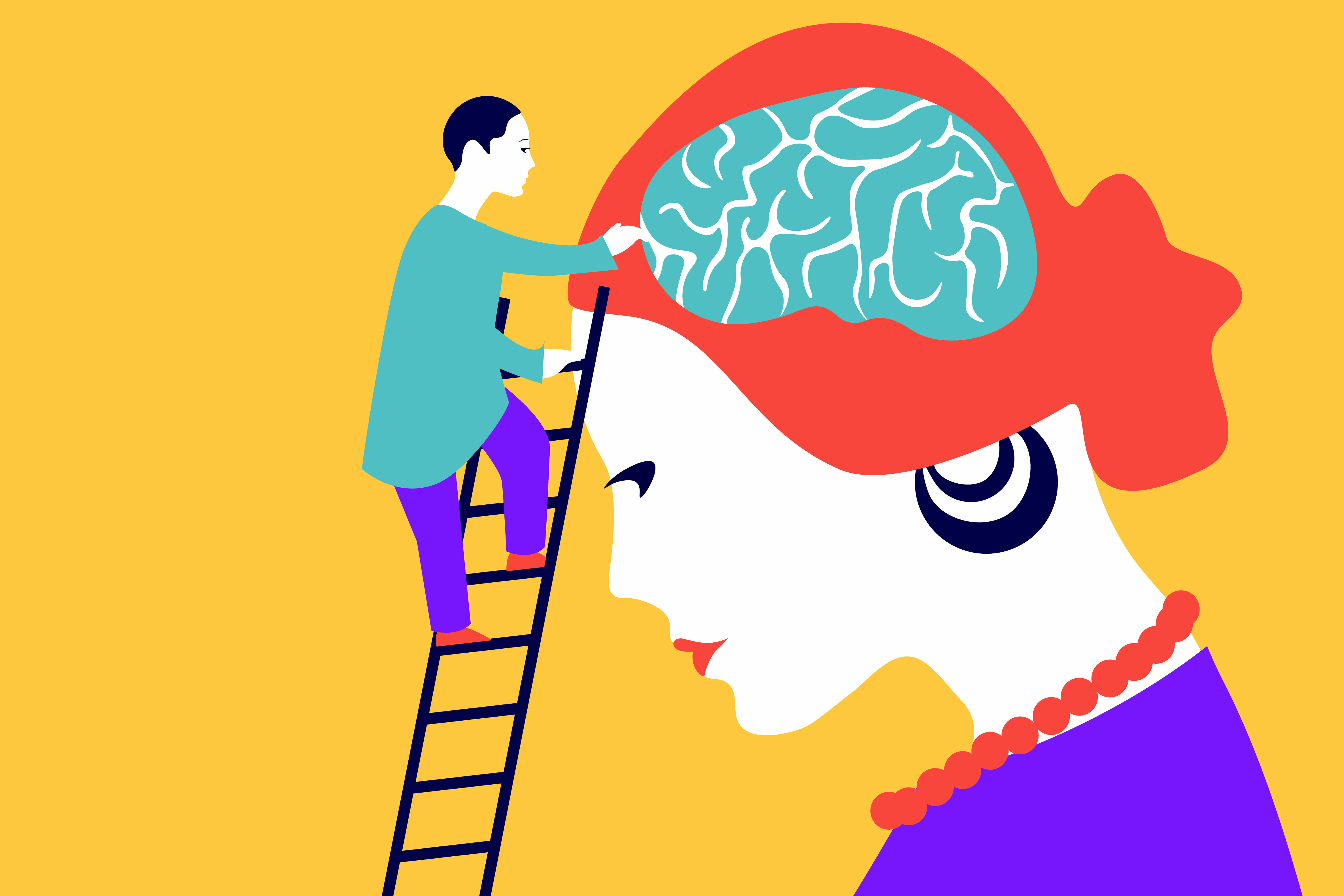
As you’d expect from high performers, lawyers can sometimes chafe at resilience – not so much the concept, but the sense that a desire to develop resilience might also concede weakness.
"Resilience can feel a bit woo-woo, a little bit 'rub your shoulders and it will be okay,'" he admits. "But what our research uncovered is the fact that resilience is actually a skill that can be taught. It's not a personality trait. That's one of the things people often misunderstand."
This is a significant perspective shift.
"If resilience becomes something that can be learned, then you can practise it and strengthen it with intention," Sam says. "It’s not ‘for softies’. It’s what strength looks like."
The tools in the kit
So what does a teachable skill actually consist of? For Sam, it's a toolkit.
"There are tools you can deploy that become part of your toolkit to deal with the inputs you get from society and work," he explains. "I'll give an example — CBT, cognitive behavioural therapy. That's a really good way of reframing your thinking, to help manage your stress, to notice your thinking rather than just be your thinking."
In short, we simply do not have to believe our thoughts.
"You can teach people to be the observer of their thoughts rather than just driven by their thoughts," Sam says. "Even in responding as opposed to reacting — that elevates your level of resilience. Just recognising that you can choose how you respond, as opposed to just reacting in the incident."
Other tools are physiological. "Take breathing, for example. When you breathe, you manage the somatic responses in your body — for instance, to help manage your heart rate," he says. "You can be taught to breathe, and in doing that, manage the level of stress you're carrying, and reduce the likelihood that you're going to burn out, because you've got ways of just down-regulating."
What it looks like in practice
For Sam, resilience often turns on a single, well-chosen tool. He points to Covey's four quadrants.
"It's helpful because it allows people to take everything that's coming to them, but look at it through a lens of what's urgent plus what's important — what's going to give me short-term benefits versus long-term benefits," he explains. "Then you have a way of disseminating that into priorities."
But this is not just some productivity hack. It’s about clearing your mind.
"This becomes a tool for resilience, because you're in a much better place to articulate your priorities and not to be overwhelmed by someone else's urgent issues," Sam says. In practice, people go: "'Look, all of this stuff has come in. This is the order in which I plan to do things. Here's what can be expected. This is going to be pushed down the line, because it doesn't meet these criteria.'"
The point isn't simply refusing a task. "It's a way of triaging demands without just saying no — but having solid rationale for doing things in the order that you plan to, and doing the things that you can reasonably expect to get done within a given time frame, to the right quality."
Why lawyers resist
If resilience is so learnable, why the eye-rolling? Sam points to culture, an issue he’s raised before.
"There seems to be an idea of a rite of passage, and that involves toughing it out over long hours," he says. "You get through this period of survival, and then you can start to thrive. But one of the ways our culture decides if you're resilient is merely an assumption — 'if you've made it through this, you must be resilient.' There's an element of survival of the fittest to it."
Crucially, the fix isn't lightening the load. "It's not actually about removing the workload of a lawyer, or changing the deadlines or expectations," Sam says. "It's about giving them the tools earlier in their career, and throughout their career, to do more than just survive it."
Optimal from the Outset
Rather than defaulting to ‘trial by fire, see who survives’, Sam has developed a more structured approach.
"One of the offerings we have at FrontTier is called Optimal from the Outset," Sam says. "It's a way of helping junior lawyers understand how they get more out of each hour. Rather than defaulting to longer hours, it's about helping you become more effective with the time that you have."
"Our argument is: do that right at the start of people's careers," he says. "Give them tools to become more productive, and that in itself might reduce the level of stress or the sense of overwhelm, because they're more able to cope with more."
The dividends, Sam argues, flow to the firm as much as the individual. "If you've got more resilient people, they're going to be around for more of the time, building more momentum and meaningful output," he says. There's a cultural return, too: "psychological safety, the confidence or comfort to be vulnerable at work.”
Together, improving productivity, retention and culture strengthen an organisation. While others fight churn and burnout, you can row in sync.
And when the tools are genuinely embedded, Sam says, they change what overwhelm even means. "People know that if they've got these tools to be effective and to manage their challenges, then if they do get to the point of overwhelm, it probably is a pretty serious problem — because they know they've been equipped to manage these situations."
Personal development, not just professional
For Sam, seeing resilience as a skill is about recognising that personal development improves your professional life.
"We wouldn't expect people to become more effective professionals without developing their professional skills. Well, there's no reason to expect them to become more resilient as demands rise without actually developing their resilience skills," he says.
And the benefits, he notes, extend well beyond office hours. "A lot of the tools we give them may make them more resilient outside work, and the benefits accrue within work. You get the benefit at work because you've got a more balanced person."
While the ‘Right to Disconnect’ might be what prompts firms to act, seeing resilience as what it really is – a set of skills learnable from the outset – is what will empower good lawyers to do far more than merely survive.