
Elder Law Practice Area Update: Lunch and Learn Series
- 1 hrs
- 1 CPD Points
- 19/03/2026 - 19/03/2026
- Interactive
- From $99.00
- WA0319_WEP1
Elder Law Practice Area Update: Lunch and Learn Series
Date & time: 19 March 2026, 1pm to 2pm AEDT
As Australia’s population continues to age; with over 16% of Australians now aged 65 and over and that figure set to rise, every legal practitioner will inevitably engage with issues affecting older clients. This demographic shift is reshaping practice across wills, estates, property, and family law.
For lawyers, it’s about knowing the law but also understanding vulnerability, decision-making, and protection. With major reforms such as the Aged Care Act 2024 on the horizon, practitioners must stay ahead of the legal and ethical challenges that come with advising an ageing population.
This practical webinar presented by Professor Sue Field, where she will unpack the key developments, risks, and responsibilities for lawyers advising older clients.
By attending this webinar, you will:
- Gain an understanding of the potential impact of the Aged Care Act 2024 on substitute decision-making instruments.
- Receive tips and traps for the prudent practitioner when screening for elder abuse and/or financial exploitation.
- Identify recent capacity and undue influence issues in practice.
- Apply practical strategies to better protect older clients.
At the end of this live webinar, you will earn 1 CPD point.
Make lunch work harder
Turn one session into a smarter CPD plan. Choose three Lunch and Learn courses at the same time and get 20% off with code LUNCH20.
See the full series
Course Outline
By attending this webinar, you will:
- Gain an understanding of the potential impact of the Aged Care Act 2024 on substitute decision-making instruments.
- Receive tips and traps for the prudent practitioner when screening for elder abuse and/or financial exploitation.
- Identify recent capacity and undue influence issues in practice.
- Apply practical strategies to better protect older clients.
This live webinar is ideal for wills and estates lawyers, elder law practitioners, and general practitioners who advise older clients or families. It’s perfect for those seeking to stay current with legislative reform, capacity law developments, and ethical obligations shaping elder law practice in 2026.
This webinar is produced in NSW and features a NSW-based practitioner. This webinar is available to practitioners from all jurisdictions.
If you intend to claim CPD units for this educational activity, please note that CPD activities are not accredited by the Law Society of NSW or any other equivalent local authority, with the exception of Western Australia. If you hold a practising certificate in a state or territory other than Western Australia and this educational activity extends your knowledge and skills in areas that are relevant to your practice needs or professional development, then you should claim one (1) "unit” for each hour of attendance, refreshment breaks not included. The annual requirement is ten (10) CPD units each year from 1 April to 31 March. Some practitioners, such as accredited specialists are required to complete more than ten (10) units each CPD year.
Practitioners holding WA practising certificates are not eligible to earn CPD points for this course.
The time listed for this course is Australian Eastern Daylight Time (AEDT). Please take note of any time differences if you are registering from QLD, WA, SA, NT or from outside Australia.
This course complies with the mandatory requirements of Substantive Law (0.5 point) and Professional Skills (0.5 point).
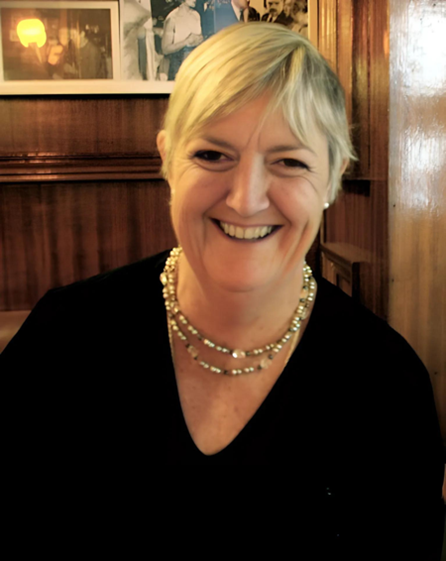
Professor Sue Field
Sue Field is an Australian Legal Practitioner who has worked both in practice and academe in the area of Elder Law for close to twenty years. During this time Sue has researched, consulted, taught, published and presented widely in this emerging speciality.
Sue is currently a member of the following NSW Law Society's Committees, Elder Law, Capacity and Succession and Rural Issues; a member of the ALRC Elder Abuse Advisory Committee, a Distinguished Fellow at the Canadian Centre for Elder Law, a Research Fellow at UWA and a Lead Investigator in the Cognitive Decline Partnership Centre.
Sue is co-editor of the recently released text on ‘Elder Law – A Guide for working with Older Australians’ Federation Press, 2018. Sue is also co-authoring a lay person's guide to elder law due for publication early 2019.
Please be aware that video/audio recording may occur at professional development events organised by the College of Law for use on our website, marketing materials and publications. By attending and participating in a College of Law Continuing Professional Development course, you consent to the College of Law photographing or recording and using your image and likeness.
RELATED COURSES




Powers of Attorney in Practice (NSW)

Administration of estates: Step-by-step guide

Drafting Wills: Practice Guide

Powers of attorney: Step-by-step guide