See More (204)
204 results showing for '[]'
204 results showing for '[]'

How Mediation Is Reshaping the Barrister's Craft: Advocacy Is Not Enough
Tasman Ash Fleming, barrister, nationally accredited mediator (AMDRAS), and adjunct lecturer at the College of Law, has decades of experience in commercial and wills and estates litigation, formal training in negotiation at the University of Oxford Saïd Business School, and a practice that spans both advocacy and mediation. He is well placed to explain how Victoria built one of Australia's most developed mediation cultures, why it works, and what it genuinely demands of the practitioners operating within it.


College of Law New Zealand appoints Monique Pearson as Chief Executive Officer
The College of Law is pleased to announce the appointment of Monique Pearson as Chief Executive Officer, New Zealand. Monique joins the College from the Arbitrators' and Mediators' Institute of New Zealand (AMINZ), where she has served as Executive Director since January 2024. Her executive career includes leadership roles with AMINZ, EY, PwC and academyEX, spanning professional services, education and member-based organisations.

Elder Financial Abuse and the Will-Making Interview: Drafting-Stage Safeguards to Protect Clients and Practitioners
Concerns about undue influence and mental capacity feature large in wills and estates practice. Here to unpack the practical red flags, interview techniques, and drafting-stage safeguards is Linda Hart, College lecturer, Principal at Solace Legal, Accredited Specialist (Wills & Estates), and a TEP. Linda outlines how to identify capacity concerns early, manage family pressure in the room, and build a defensible process that protects both client and practitioner if the estate is later contested.

What the Fair Trading and Building Legislation Amendment Bill 2026 Means for You
The NSW Government has introduced the Fair Trading and Building Legislation Amendment Bill 2026, and for practitioners working in property, strata and construction law, the implications are significant. The Bill modernises property laws, strengthens regulatory powers across the building and conveyancing sectors, and clarifies the legislative framework for Decennial Liability Insurance.


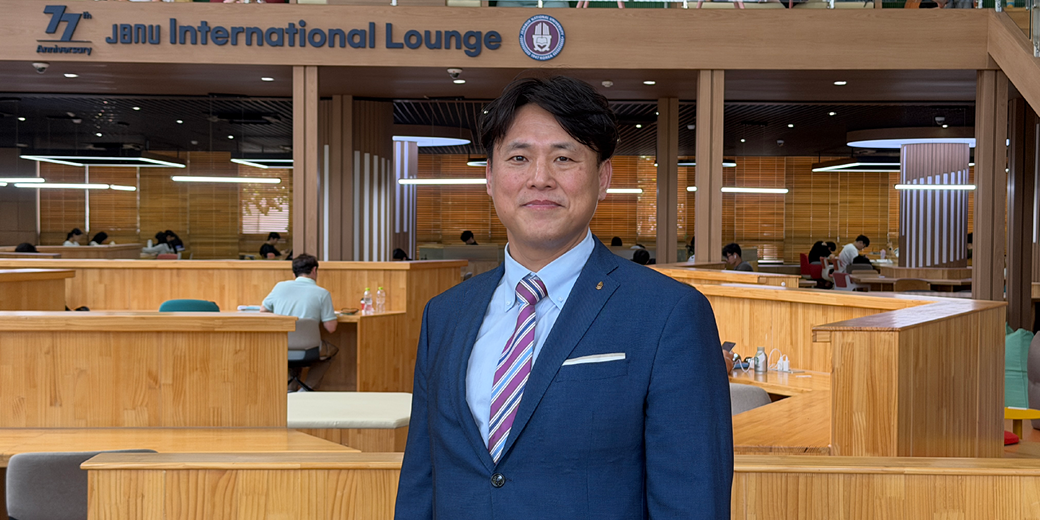
65 Jurisdictions, One Conference: IPBA President-Elect James Jung on Why Sydney 2027 is a Must for Australian Lawyers
James Jung is President-Elect of the Inter-Pacific Bar Association and Executive Director of International Strategy at the College of Law, he brings a practitioner's perspective on what international legal networks can offer — and why IPBA Sydney 2027 is an opportunity that may not come around again for another two decades.